Home Advantage Rehabilitation

Less Caffeine Equals Less Problems

Caffeine use is said to be many people’s “crutch” to begin their day. It has been called the most popular drug in the world, millions of people intake caffeine on a daily basis. Including the coffee bean, tea leaf, kola nut, and cacao pod, caffeine is found naturally in over 60 plants. Caffeine use has the benefits of improving concentration and alleviating fatigue. However, there are many drawbacks to the abuse of caffeine.

The question: How much is considered too much?

For most healthy adults up to 400 milligrams (mg) of caffeine a day is considered safe. 400 (mg) is equal to approximately four cups of brewed coffee. Heavy caffeine use is considered 500 mg to 600 mg a day and unfortunately there is a package deal of side effects that come included with the heavy use of caffeine. The side effects are: insomnia, nervousness, restlessness, irritability, upset stomach, fast heartbeat, muscle tremors and headaches.

Some are more caffeine sensitive than others. All it may take is one cup of coffee or tea to induce insomnia and restlessness. An unwelcoming cycle may be created from using caffeine to mask sleep deprivation. As an example, you may have trouble staying awake during the day so you drink caffeinated beverages to stay afloat. Ultimately your sleep is compromised because you are shortening the length of time you rest. Caffeine will never replace sleep, it is only a temporary fix to the problem because it blocks sleep-inducing chemicals in the brain and increases the production of adrenaline.

No one wants to feel dependent on anything in order to properly function. Limiting your caffeine intake will help avoid coming into contact with awful symptoms.
Managing your MS with PT

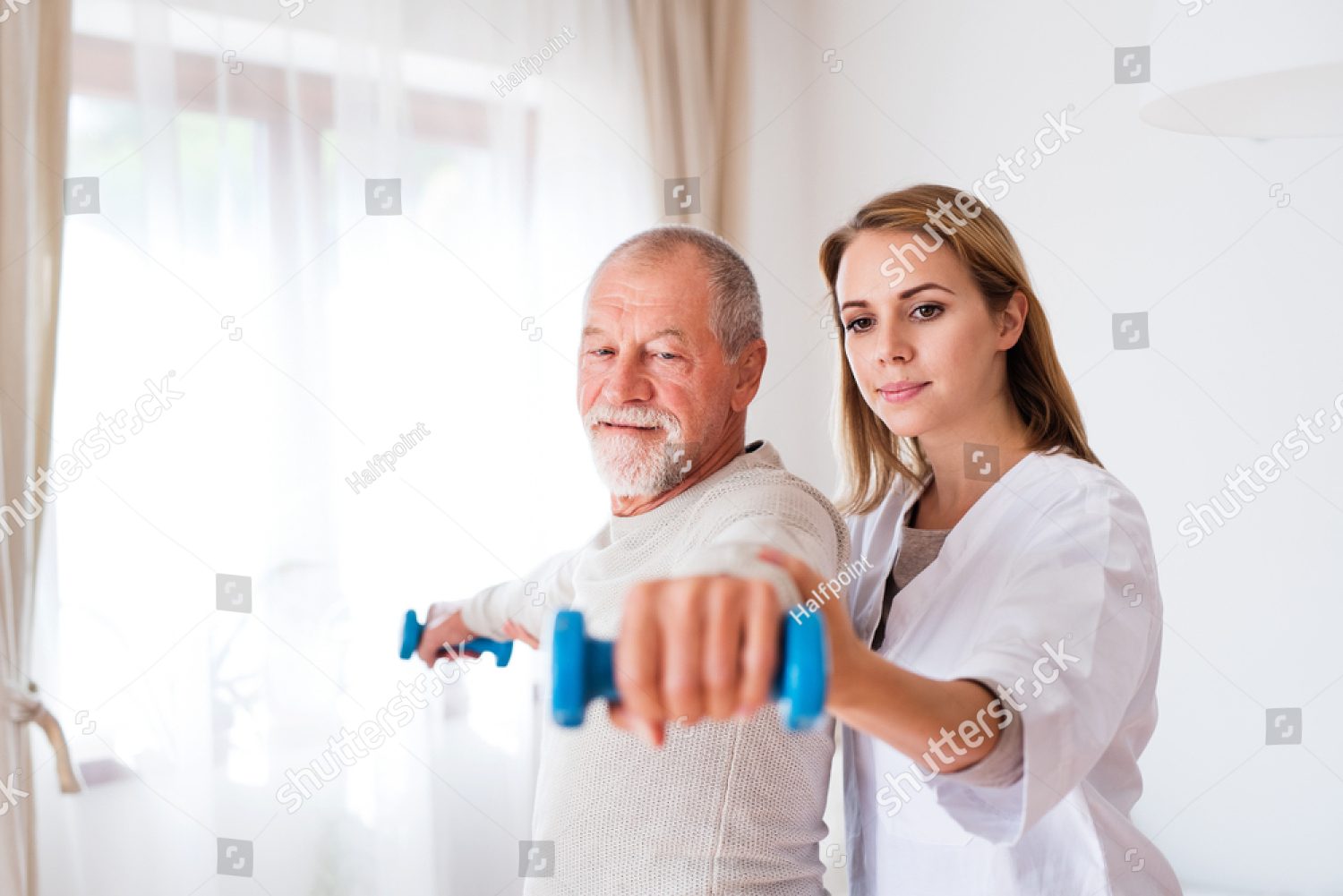
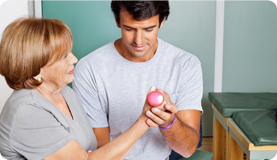
Diagnosed with Multiple Sclerosis? Don’t suffer any more than you have to! Physical therapy can become not only your best option for managing your aches and pains, but your best friend. When you are diagnosed with multiple sclerosis, your condition is forever changing- some days are good days, others not so much. Physical therapy is there for you to help you learn how to cope with your body and the changes it goes through. It can help you maintain and develop strength and stamina, as well as help you cope with your mobility after a disease flair.

Multiple Sclerosis symptoms are different for every person, and consequentially your treatment program will be unique to you as well. Your physical therapist will create a program that fits your specific needs. Common ailments and physical therapy treatments include:

-Spasticity: If you experience this, your program will most likely include slow stretching controlled position changes, and the use of cold packs.

-Fatigue: If you experience this, your program will most likely focus on managing your energy, and skills to avoid over exertion.

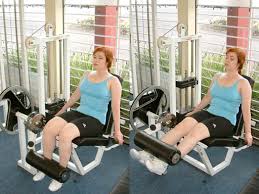
Other common physical therapy programs may include maintaining spastic muscles through exercises, muscle strengthening exercises, range of motion exercises, as well as being taught how to use aids for mobility such as crutches, canes, scooters, and wheelchairs.

If you are suffering from multiple sclerosis, seek physical therapy treatment, you may be surprised at how well it can help you manage your aches and pains!

Home Advantage Rehabilitation is here to help with all of your homecare needs. Feel free to call with any questions that you may have about physical therapy, occupational therapy or speech therapy 516-459-9439.

Occupational Therapy

Do you have an illness or disability that hinders you from performing everyday activities? Then occupational therapy may be for you! Occupational therapy is for people of all ages, and of all different ability levels.

So how does this differ from regular physical therapy you may be asking? Physical therapy deals with pain, strength, endurance and gross motor functioning skills. Occupational therapy on the other hand deals with fine motor skills, visual perceptual skills, cognitive skills, and sensory processing deficits.

When you first meet with your occupational therapist what can you expect? Your occupational therapist will judge and evaluate you in the area that you are seeking therapy for; such examples are academic or work performance, and daily activities and compare it to others’ in your age group, to determine where you are lacking. You will receive an individual evaluation from your occupational therapist, they will create a plan for you based on your needs, and then they will provide an evaluation of the exam.

What are some examples of stuff people seek occupational therapists to help them improve?

-Helping improve social skills, including focus improvement, and behavioral issues

-Coordination skills such as how to type faster on a computer, as well as hand eye coordination for everyday activities like brushing one’s teeth and getting dressed.

-Improving fine motor skills for tasks like developing better handwriting skills

Home Advantage Rehabilitation is here to help with all of your homecare needs. Feel free to call with any questions that you may have about physical therapy, occupational therapy or speech therapy 516-459-9439.

Physical Therapy

WHAT IS PT?

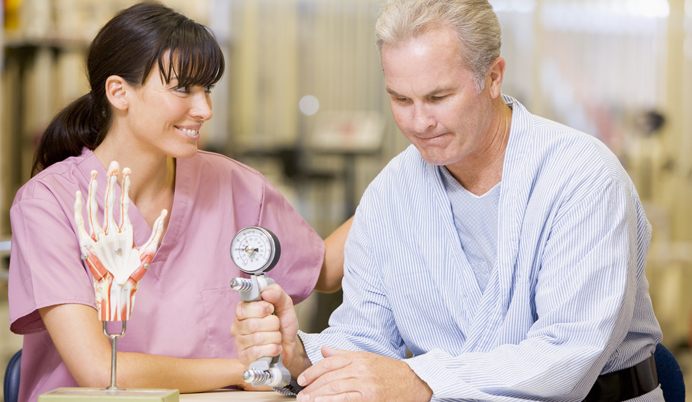
A healthcare profession concerned with the rehabilitation of impairments and disabilities incurred as a result of disease or injury. PT’s take a thorough history and provide a physical examination to diagnose and establish a plan of care focused on the alleviation of pain, improvement of range of motion, strength, balance, and endurance to achieve the optimum level of comfort and functional mobility.

HOW DO PT’s TREAT? Therapeutic exercise Neuromuscular Reeducation Therapeutic Activities Gait Training Modalities

  • electric stimulation
  • ultrasound
  • moist heat/ice

Manual techniques

  • soft tissue massage
  • myofascial release
  • manipulation/mobilization

WHAT CONDITIONS DO PT’s TREAT? Gait Training Orthopedic

  • Joint replacements
    • total knee replacement
    • total hip replacement
    • total shoulder replacement
  • Arthritis
  • Fractures
  • Ligamentous/Muscle injuries

Neurologic

  • CVA (stroke)
  • MS (multiple sclerosis)
  • Parkinson’s disease
  • Neuropathy
  • SCI (spinal cord injury)
  • TBI (traumatic brain injury)
  • ALS (Lou Gehrig’s disease)

Cardiopulmonary

  • CHF (congestive heart failure)
  • MI (heart attack)
  • COPD (emphysema, chronic bronchitis)

General deconditioning
Amputee

  • BKA (below knee)
  • AKA (above knee)
  • Upper extremity

Occupational Therapy

WHAT IS OT?

A holistic healthcare profession aimed at promoting health by enabling clients to perform meaningful and purposeful activities across a lifespan. OT’s take a thorough history, provide a physical and cognitive examination to identify deficits and develop a treatment plan. The goal is to maximize daily living and work skills of their clients with physical, mental or developmental conditions. Additionally, OT’s seek to adapt the environment, modify tasks, teach skills, and educate clients and their families to achieve their goals.

HOW DO OT’s TREAT? ADL training Adaptive equipment Therapeutic exercise Manual techniques (soft tissue massage, myofascial release, mobilization) Neuromuscular Reeducation Therapeutic activity Modalities (electrical stimulation, ultrasound, moist heat/ice) WHAT CONDITIONS DO OT’s TREAT? Hand Disorders

  • Carpal Tunnel Syndrome
  • Fine motor/dexterity

Orthopedic

  • Joint replacements
    • total knee replacement
    • total hip replacement
    • total shoulder replacement
  • Arthritis
  • Rheumatoid
  • Osteoarthritis

Fractures


Ligamentous/Muscle injuries


Neurologic

  • CVA (stroke)
  • MS (multiple sclerosis)
  • Parkinson’s disease
  • Neuropathy
  • SCI (spinal cord injury)
  • TBI (traumatic brain injury)
  • ALS (Lou Gehrig’s disease)

Cardiopulmonary

  • CHF (congestive heart failure)
  • MI (heart attack)
  • COPD (emphysema, chronic bronchitis)

General deconditioning
Amputee

  • BKA (below knee)
  • AKA (above knee)
  • Upper extremity

Speech Therapy

What is ST or SLP?

Is a healthcare profession that specializes in communication and swallowing disorders, also known as Speech Language Pathology (SLP). SLP services begin with an initial screening for communication and swallowing disorders and continue with assessment and diagnosis, provide advice regarding managing, treating, counseling, and follow up services for these disorders.

HOW DO SLP’s TREAT? Speech Therapy

  • Exercises
  • Prompt Therapy
  • Cognitive training
  • Augmentative Alternative Communication devices

Swallow Therapy

  • Exercises

Deep Pharyngeal Neuromuscular Stimulation

WHAT AREAS ARE ADDRESSED BY SLP’s?


Cognitive aspects of communication

  • attention, memory, problem solving, executive functions

Speech

  • phonation, articulation, fluency, resonance, and voice including aeromechanical components of respiration

Language

  • phonology, morphology, syntax, and pragmatic/social aspects of communication including comprehension, and expression of oral, written, graphic and manual modalities

Swallowing Voice

  • hoarseness, low volume, and abnormal vocal quality

Sensory awareness related to communication and swallowing


WHAT CONDITIONS DO SLP’s TREAT?

Neurologic

  • CVA (stroke)
  • MS (multiple sclerosis)
  • Parkinson’s disease
  • Neuropathy
  • SCI (spinal cord injury)
  • TBI (traumatic brain injury)
  • ALS (Lou Gehrig’s disease)

Developmental

  • CP (cerebral palsy)
  • MR (mental retardation)
  • ASD (autism spectrum disorder) or PDDs (pervasive developmental disorders)
    • Autism
    • Aspenger’s disorder
    • Pervasive development disorder (not otherwise specified)
    • Rett’s disorder
    • Childhood disintegrative disorder

Beat the Summer Heat

Rising temperatures are arriving and everyone is looking for ways to stay cool. Beach days, water activities and barbecues with family and friends are some of the best parts of summer. Don’t let preventable things like heat exhaustion or sunburn cancel out all the fun. Here are ways to stay cool while you lay by the pool.

Stay hydrated! fluids, fluids and more fluid.

Wear loose comfortable clothes.

Remove excess clothing in extremely hot and humid weather.

Avoid outdoor activities during the hottest part of the day.

Avoid alcoholic beverages. It is not your friend when staying hydrated.

Expose yourself to high heat temperatures as briefly as you can.

If heat exhaustion does occur, make sure the person is in a cool room and excess clothing is removed. Laying down on their back with their feet elevated, compress a cold sponge or washcloth on their forehead. Drinking water and juices and staying relaxed will cause their temperature to go down. If these treatments do not cause improvement, seek medical aid immediately after an hour has gone by.

Elderly Advice for Staying Cool

Excessive heat is a tough battle for the elderly due to their weakened cardiovascular system. As you get older, the heart becomes less efficient, heart rate is decreased and less blood is pumped through the heart during each beat. Arteries lose their elasticity which is known as arteriosclerosis. Musculoskeletal flexibility also occurs as the body ages which diminishes the lungs ability to expand and take-in oxygen. These setbacks in elderly adults cause shortness of breath and poor endurance during times of extreme heat.

Sweat is no longer a way to cool off for the elderly because the subcutaneous tissue and the oil-producing glands decrease in size, therefore producing much less sweat in order to cool the body off. This also causes heat loss in the elderly when exposed to colder temperatures, as well.

Aging is unavoidable but along with more wisdom and appreciation for life, there are ways to maintain a healthy cardiovascular system as well. Living an active lifestyle in our younger years will make a huge difference in our ability to protect ourselves from the heat. Daily exercise will create cardiovascular fitness and expanded lung capacity, carrying over to our older bodies. Take care of yourself now and your older, wiser self will be very thankful you did.

Make staying cool a priority and the summer will be yours to enjoy. Drinks plenty of fluids, exercise, stay in the shade, wear sunscreen and make sure you get grandma a nice sun hat. We can can beat the heat together.

©2025 All Rights Reserved