Preventing Falls and Injuries for Bed-Ridden Patients
When a loved one becomes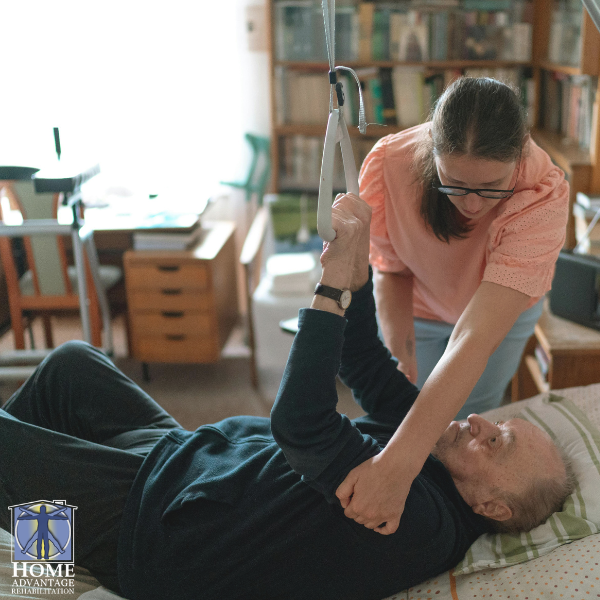 bed-bound due to illness, surgery, or chronic conditions, safety becomes a top priority. While many people assume falls are less likely for bed-ridden patients, the reality is that injuries can still occur — often during transfers, repositioning, or attempts to move independently.
Understanding how to prevent falls and injuries for bed-ridden patients is essential for protecting their health, comfort, and overall recovery.
Why Fall Prevention Still Matters for Bed-Bound Patients
Even patients who spend most of their time in bed may attempt to:
Sit up without assistance
Transfer to a wheelchair or commode
Reach for items outside their safe range
Get up during moments of confusion or disorientation
Without proper support, these movements can lead to serious injuries, including fractures, head trauma, or soft tissue damage.
Additionally, immobility itself can increase the risk of secondary complications such as pressure ulcers, muscle weakness, and circulation issues.
Common Causes of Injuries in Bed-Ridden Patients
Understanding risk factors can help caregivers take preventative action. Common causes include:
Muscle weakness or deconditioning
Poor balance during assisted transfers
Slippery floors or unstable equipment
Inadequate supervision
Cognitive impairment or confusion
Improper bed height or positioning
Addressing these factors proactively can significantly reduce injury risk.
Key Strategies to Prevent Falls and Injuries
1. Use Proper Bed Safety Measures
Keep the bed at a safe, low height when not providing care
Use bed rails appropriately (following medical guidance)
Ensure brakes are locked on hospital beds and wheelchairs
Keep frequently used items within easy reach
Safe bed positioning reduces the chance of accidental rolling or unsafe attempts to stand.
2. Implement Safe Transfer Techniques
Many injuries occur during transfers from bed to chair or bathroom. To reduce risk:
Use gait belts or transfer boards when recommended
Follow proper body mechanics
Avoid rushing
Ensure clear, obstacle-free pathways
Professional guidance from physical or occupational therapists can teach caregivers safe transfer techniques.
3. Address Muscle Weakness and Mobility
Even bed-bound patients can benefit from guided exercises to maintain strength and circulation. Passive range-of-motion exercises, repositioning schedules, and gentle therapeutic movements help reduce stiffness and improve stability.
Skilled home health therapy can play a critical role in maintaining functional ability and preventing decline.
4. Prevent Pressure Injuries and Skin Breakdown
While not technically falls, pressure injuries are a major risk for bed-ridden individuals. Prevention strategies include:
Repositioning every two hours (or as directed)
Using pressure-relieving mattresses or cushions
Maintaining skin hygiene
Monitoring for redness or breakdown
Healthy skin reduces pain, infection risk, and further mobility limitations.
5. Monitor Cognitive Changes
Confusion, medication side effects, or neurological conditions can increase fall risk. Caregivers should:
Watch for sudden changes in behavior
Ensure adequate lighting
Keep the environment calm and predictable
Communicate clearly and consistently
Prompt medical attention for sudden confusion can prevent serious incidents.
The Role of Skilled Home Health Care
Professional home health services provide trained clinicians who assess fall risk, implement safety plans, and educate caregivers. Services may include:
Skilled nursing oversight
Physical therapy to improve strength and balance
Occupational therapy for safe transfers and daily activities
Ongoing monitoring and adjustments to the care plan
A personalized care approach helps reduce risk while supporting dignity and independence.
Creating a Safer Home Environment
Simple environmental adjustments can make a significant difference:
Remove loose rugs and clutter
Install grab bars near beds and bathrooms
Ensure adequate lighting
Keep floors dry and non-slip
Proactive planning creates a safer space for both patients and caregivers.
Supporting Safe Recovery at Home
Preventing falls and injuries for bed-ridden patients requires vigilance, education, and the right support system. With proper precautions and professional guidance, families can reduce risks and provide a safer, more comfortable environment for recovery.
At Home Advantage Rehabilitation Solutions, our team works closely with patients and families to assess fall risks, provide skilled therapy, and develop individualized safety plans tailored to each patient’s needs.
If you’re caring for a bed-bound loved one and want to learn more about injury prevention and home health services, contact Home Advantage Rehabilitation Solutions today.