Home Advantage Rehabilitation

At Home Physical Therapy Exercises For Stroke Patients

Did you know that more than 795,000 Americans have a stroke every year? Strokes are caused by blood clots or broken blood vessels that cut off the blood supply to the brain. They can lead to problems with language, cognition, motor, and sensory skills. Luckily, individuals can recover from a stroke, although it might take lots of time, hard work, and commitment. Home Advantage Rehabilitation Solutions has in home physical therapy services to help you recover. 

What is involved in Stroke Rehabilitation?

Stroke rehabilitation is used to help relearn skills you have lost due to a stroke. Depending on the person and parts of the body that were affected, stroke rehabilitation varies. It is important that you start rehab as soon as possible. This will increase your chances of relearning lost abilities and skills. By the end of your rehabilitation, you should find that moving around is easier and can be done independently. 

Home-Based Rehabilitation Programs

Rehabilitation programs can be done in the comfort of your own home. A physical therapist that is assigned to you for your in home physical therapy services will perform various tests. This includes testing your range of motion, strength, walking ability, balance, and more. They will use this information to develop a plan specific to you. Some of the treatments you may receive at home based on testing include:

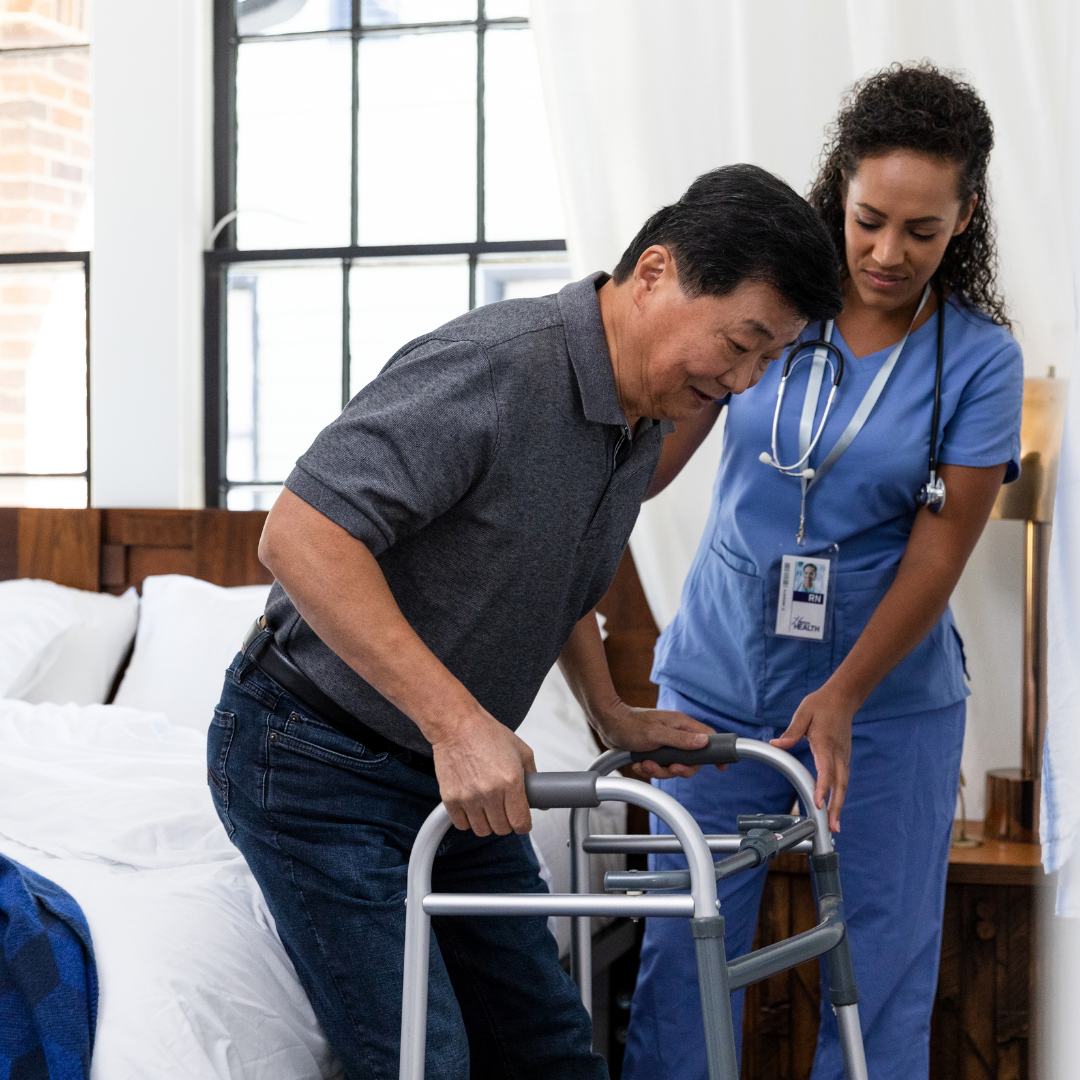
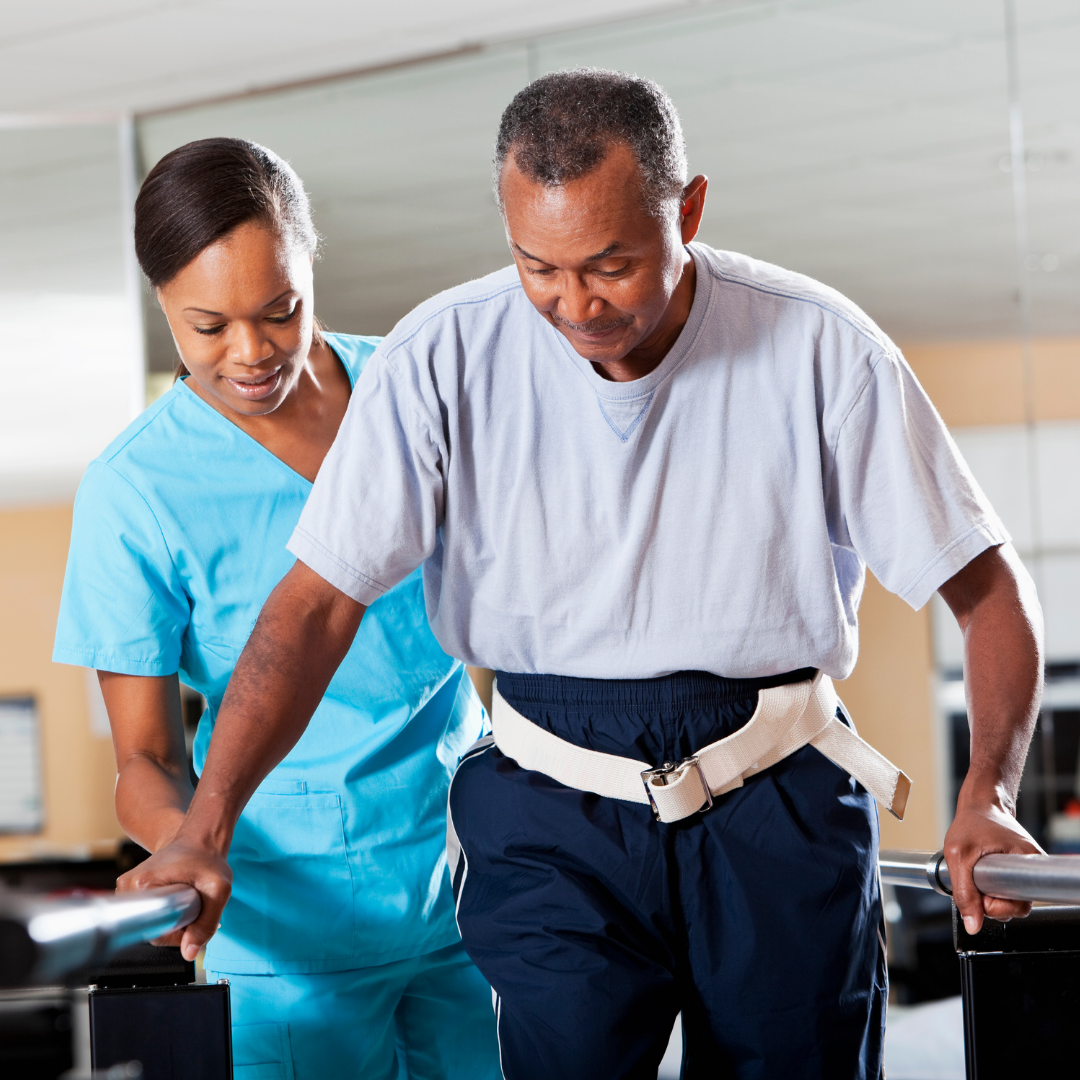
  • Gait Training: Your physical therapist will assist you in walking and moving around your home using a walker or cane. Ultimately, this will help you gain the ability to walk again.
  • Bed Mobility Training: Rolling, scooting, and sitting up in bed are going to be difficult after suffering a stroke. During rehabilitation, you can work on bed mobility right from your own bed.
  • Transfer Training: Due to muscle spasms and lack of coordination transferring movements may be difficult. Your physical therapist can work on movements such as sitting to standing or getting from one chair to another surface. 
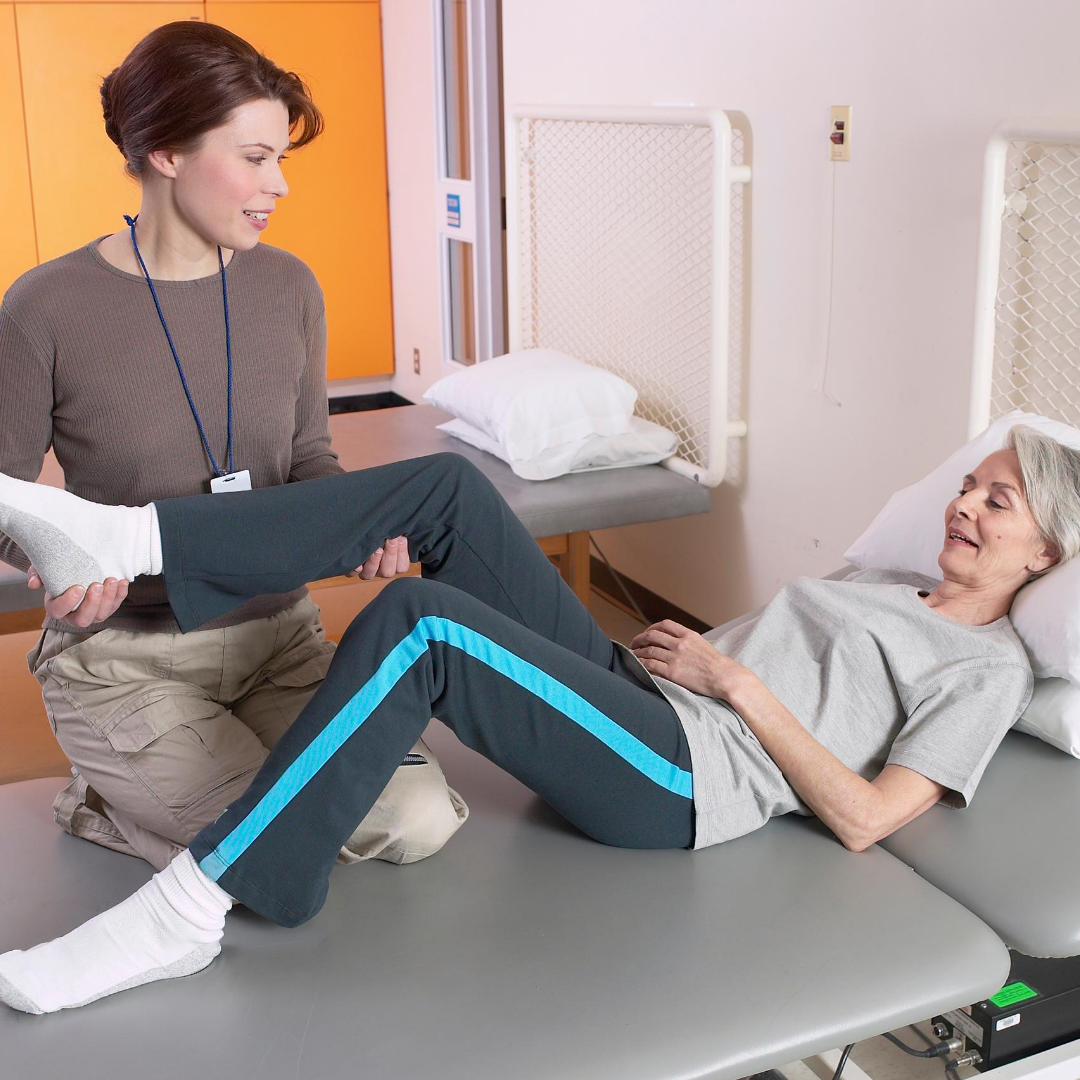
  • Exercise: During rehabilitation, the exercises are simple enough to be done at home. Some of the exercises include toe taps, leg raises, ankle pumps, and more. 
  • Coordination Training: Your physical therapist will perform slower movements with targeted stepping and reaching with the overall goal of improving how your body is able to move. 

Contact Us

If you or a loved one has recently suffered from a stroke, contact our team at Home Advantage Rehabilitation Solutions, in home physical therapy services, for in person physical therapy services. We have more than 45 years of experience in a home care setting and provide speech therapy, occupational therapy, and physical therapy services. Start your road to recovery with us!
What Are The Benefits Of Speech Therapy For Seniors?

Speech therapy is often associated with helping kids or young adults resolve speech difficulties and improve communication. Communication is fundamental at any age but is absolutely vital for seniors. At Home Advantage Rehabilitation Solutions, our dedicated speech therapists develop personalized care plans to suit every patient’s needs. Continue reading to learn more about the benefits of speech therapy for seniors. 

When Is Speech Therapy Necessary For Seniors?

Speech therapy often becomes necessary for seniors recovering from the unfortunate consequences of dementia, stroke, or head injury. Communication is essential for seniors because an emergency situation can occur if they cannot describe their needs. Ignoring speech and communication issues can lead to several consequences. Speech therapy should be considered if your loved one exhibits the following:

  • Difficulty responding to questions. 
  • Difficulty managing their personal, financial, or medical matters. 
  • Displays an inability to avoid potentially dangerous situations. 

Benefits Of Speech Therapy For Seniors

When speech is affected by age or illness, it can be challenging to communicate effectively. Our team offers speech therapy specialized for senior patients to provide benefits far beyond improved communication. Here are some of the ways speech therapy can help:

  • Improved ability to swallow – Age-weakened muscles can lead to a diminished ability to swallow. This can increase a patient’s likelihood of choking. Speech therapy can strengthen the vocal cords, larynx, and jaw muscles and improve the swallowing reflex. This improvement increases safety and comfort during meals. 
  • Strengthened vocal cords – The vocal cords lose their elasticity with age, weakening the larynx and affecting communication. Speech therapy can strengthen the vocal cords and improve the quality of communication. 
  • Treat Dementia and memory loss – Those suffering from dementia and memory loss can benefit from speech therapy even if their speech is normal. This therapy preserves brain function and addresses cognitive aspects of communication. 
  • Manage stroke-related disorders – Those dealing with aphasia and apraxia stemming from a stroke are good candidates for speech therapy. Immediate treatment can increase their chances of making a full recovery. 
  • Improves quality of life – Communication is vital, and many seniors with untreated speech issues experience isolation and medical problems. Improving a senior’s ability to speak will enhance their safety, health, and quality of life. 

Contact Us

At Home Advantage Rehabilitation Solutions, our speech therapy program consists of support, treatment, and care for those having trouble communicating, swallowing, and experiencing difficulties with cognition. Contact us today to learn more about our senior speech therapy services.

How To Reduce Pain Caused By Arthritis

When your joints are in pain and not performing up to par, it can wreak havoc on your daily life. Arthritis pain can strike nearly anywhere in the body, but there are steps you can take to reduce pain caused by arthritis. At Home Advantage Rehabilitation Solutions, we recommend in-home physical therapy to those struggling to manage their arthritis pain. During Pain Awareness Month, our team would like to bring special attention to the pain and suffering frequently caused by arthritis. Continue reading to learn more about how physical therapy can help reduce arthritis pain. 

How To Reduce Arthritis Pain

Learning how to manage arthritis is the first step in reducing pain. You can do many things to learn how to manage your condition and make dealing with the pain easier. One way to reduce your arthritis pain is by knowing what you need to watch out for if you start feeling symptoms of a flare-up. You should understand that you should not “tough it out” if you begin to experience symptoms of a flare-up because they can get even worse over time. While arthritis pain can be disabling at times, physical activity can help reduce pain. Your joints need stimulation to avoid putting more pressure on the cartilage that was damaged by arthritis. If your joints are healthy, you reduce pain and inflammation that can cause even more physical damage over time.

Physical Therapy for Arthritis Pain

Physical therapists can help you deal with the pain caused by arthritis by moving safely and effectively. Our physical therapists can show you what exercises you need to do to stay as flexible and strong as possible. Flexibility and strength are important factors contributing to how well your joints cope with issues such as arthritis. The exercises can also work to improve the way your joints work together, which will lead to a reduction in pain. Maintaining physical fitness can help preserve your ability to perform daily tasks and support your joints. Here are some additional ways that physical therapy can relieve arthritis pain:

  • Specialized treatments like therapeutic massage and hot and cold therapy can target your arthritis pain at the source.
  • Exercises can improve or restore your range of motion. 
  • Physical therapy can increase muscle tone and strength, which aids in supporting the joints. 

Contact Us

Physical therapy can be an effective way to manage arthritis pain for those affected by this disease. At Home Advantage Rehabilitation Solutions, we design highly targeted and personalized in-home programs to meet the needs of each individual. To discover if physical therapy is suitable for your arthritis pain, contact our team today! 

Best Exercises After A Hip Replacement

After a hip replacement, it’s important to begin at home physical therapy as quickly as possible. What is the process? What are some of the best exercises after a hip replacement? Why do you need to exercise, and what should you avoid doing after your surgery? Check out Home Advantage Rehabilitation Solutions to find out more! 

People who have undergone a total hip replacement must begin at home physical therapy as soon after surgery as possible. Exercising helps improve the strength of muscles surrounding the hip joint, which will help to reduce atrophy (muscle wasting) during recovery and limit blood clots in your legs that can travel to your lungs, one of the most common causes of postoperative death.

Step To Recovery Exercises 

at home physical therapy

When you’re ready to start at home physical therapy after your hip replacement, you’ll begin with gentle range of motion exercises. These exercises will move the joint back and forth through its full range of motion, stretching out tight muscles and strengthening weak ones.

 After about two weeks of range-of-motion work, you can move on to more strenuous gait training (walking). Your physical therapist may begin doing some simple leg exercises during these gait training to work on your balance and leg strength.

After another two or three weeks, they will be able to send you home with a cane or walker so that you can begin doing more exercise on your own. If you’re working with at home physical therapy, this is around the time that they will gradually remove your walker or cane and have you begin using your newly-operated hip as much as possible.

Best Exercises To Try When Healing A Hip Replacement

Best Exercises After A Hip Replacement: Aerobic activities such as walking and swimming and strengthening exercises for the hip and lower body are recommended as the best exercises after a hip replacement.

Some examples of strengthening exercises include lifting weights, using resistance bands, or doing sit-ups with an elastic band around your ankles. In some cases, physical therapists use aquatic therapy as a form of exercise to help hips recover; this is done in either a pool or a body of water, such as a lake or the ocean. Doing leg lifts and squats in a pool with ankle weights is an example of aqua therapy for hip replacement patients.

Contact At Home Physical Therapy 

To find out what you’re specific at home physical therapy program is, you should talk to your doctor about starting an appointment with a physical therapist during your recovery period.

If you or a loved one has recently undergone a hip replacement, contact Home Advantage Rehabilitation Solutions. Our team offers at home physical therapy services and is extremely dedicated to their patients. We want to help you get back to a life you love. Call us today to begin your rehabilitation

How Does Physical Therapy Help With Pain?

When dealing with chronic pain, you’ve probably exhausted every treatment option available to find relief. While getting up and moving may be the last thing on your mind, physical activity can actually be one of the most beneficial pain management options. At Home Advantage Rehabilitation Solutions, we provide in-home physical therapy services to help our patients manage their pain and lead healthy and active lifestyles. Throughout the month of September, our team would like to bring awareness to issues relating to pain for Pain Awareness Month. Continue reading to learn more about how physical therapy can effectively help your pain. 

Physical Therapy For Pain

Everyone experiences pain from time to time. Pain was originally thought to be an indicator of an injury, but it is now known that it can also be a warning signal that alerts us to potential harm and protects us from damage. Feeling pain does not necessarily mean that a physical injury has taken place. When you better understand pain, you can discover different treatment options to help you manage your discomfort. Our physical therapists are trained in many different treatment techniques to help manage pain. They use their hands to detect areas of tension or tightness in your body, as well as mobility restrictions. They can quickly identify how you’re using your muscles and what is putting stress on them that could be causing you discomfort. 

Physical therapy can be used for chronic pain management by working with you to create an exercise program that maximizes your mobility, decreases tension, and helps with balance and stability. Your physical therapist may use passive or active therapy to reduce pain. Passive treatments can consist of electric stimulation, ultrasound therapy, or heat and ice therapy. Some examples of active treatment may include:

  • Stretching, flexibility, and range of motion exercises. 
  • Strengthening exercises. 
  • Low-impact aerobic exercises. 
  • Pain-relief movements. 

Our dedicated physical therapists will evaluate your condition to determine the best treatment options for pain management. When working with our team at Home Advantage Rehabilitation Solutions, you can rest assured that your care will be designed to fit your unique needs.

Contact Us

Chronic pain doesn’t have to control your life. Our experienced physical therapists at Home Advantage Rehabilitation Solutions are here to provide you with more information on how physical therapy can help you manage your pain. We provide in-home therapy services so you can improve your symptoms in the comfort of your own home. Contact us today to schedule an appointment. 

Physical Therapy for Hip Dislocations

No matter the cause, a hip dislocation can be extraordinarily painful. In severe cases, a hip dislocation can leave you unable to move your leg and also cause you to lose sensation in your foot or ankle. At Home Advantage Rehabilitation Solutions, we provide in-home physical therapy to treat hip dislocations and speed up the recovery process. Continue reading to learn more about physical therapy for hip dislocations. 

Hip Dislocation

The hip is a large ball and socket joint, and when a dislocation occurs, the ball of the joint has been knocked out of its socket. As a result, the surrounding muscles, ligaments, labrum, and soft tissues keeping the bones in place are often damaged. Hip dislocations can even lead to further injury to the nerves around the hip. The hip is an inherently stable joint, making dislocations rare. However, a hip dislocation can be caused by a car accident, fall, or another traumatic event. Some of the signs of hip dislocation include:

  • Pain.
  • Muscle spasm.
  • Visible physical deformity. 
  • Inability to stand or bear weight on the hip. 

A dislocated hip is a severe injury that needs immediate attention. Immediately following the injury, the hip needs to be put back in place as soon as possible. Once the patient has been cleared to bear weight on the hip, physical therapy can begin. 

Physical Therapy for Hip Dislocations

A hip dislocation is a traumatic and serious injury that can hinder a person’s daily function. When the hip is relocated, and pain has reduced significantly, physical therapy can begin. The purpose of physical therapy treatment for hip dislocations is to reduce pain, improve range of motion, and improve hip strength and stability. Here are some of the ways physical therapy facilitates healing following a hip dislocation:

  • Weight Bearing and Gait Activities – These help patients rely less on assistive devices and progress towards full weight-bearing. 
  • Range Of Motion – Safely improves range of motion as the muscles and ligaments heal. 
  • Stabilization – Targeted activities to work on the hip stabilizers in functional positions to improve hip joint stability.

Contact Us

At Home Advantage Rehabilitation Solutions, our goal with physical therapy for hip dislocations is to facilitate a safe and comfortable recovery process and help our patients get back to doing the activities they enjoy. To learn more about our at-home physical therapy services, be sure to contact our team today!

Most Common Causes of Falls in the Elderly

The leading cause of injury, hospital admissions, and death among older adults are falls. Seniors are not only more prone to falling, but they are also more susceptible to fall-related injuries. At Home Advantage Rehabilitation Solutions, our team provides home-based interventions, education, and encouragement to achieve the highest safety and independence level in their homes and communities. Please continue reading to learn more about common causes of falls in the elderly and how our team can help.

Common Causes of Falls in the Elderly

Knowing and understanding why elderly patients are at an increased risk of falls can help patients stay safely on their feet. Several factors can contribute to falls, including some of the following:

  • Poor Vision Even if an elderly individual is in good physical condition, age-related eye problems can make it challenging to detect fall hazards. Failing to follow recommendations for eye treatments, including wearing glasses or using low vision equipment, can lead to a nasty tumble. 
  • A Decline in Fitness – It’s not uncommon to become less active as you age. However, this can worsen the effects of aging. If a senior does not exercise regularly, it can result in decreased bone mass, reduced muscle strength and flexibility, and loss of coordination and balance. All of these factors can contribute to an increased risk of falling. 
  • Environmental Factors – Many falls that occur within the elderly population occur in or around the home. Poor lighting, loose carpets, clutter, or slick floors can impact the senior’s safety in their home. 
  • Behavioral Factors – Fall risk can be influenced by a patient’s unique behaviors and lifestyle. This can include the activities they regularly engage in, and the physical demand required. Some daily tasks can become more difficult as we age, but failing to modify certain behaviors to account for this is a common contributing factor for falls in seniors. 

Contact Us Today

Falls don’t only occur due to the reasons mentioned above. When these factors combine, they can lead to potentially life-threatening injuries. Our team at Home Advantage Rehabilitation Solutions is here to help keep your loved ones safe and healthy. We provide in-home rehabilitation services to help patients achieve greater levels of safety and independence and educate them on how to modify their homes and lifestyles to prevent injuries. Contact our team today to learn more!

Treatment Plans For Shoulder Bursitis

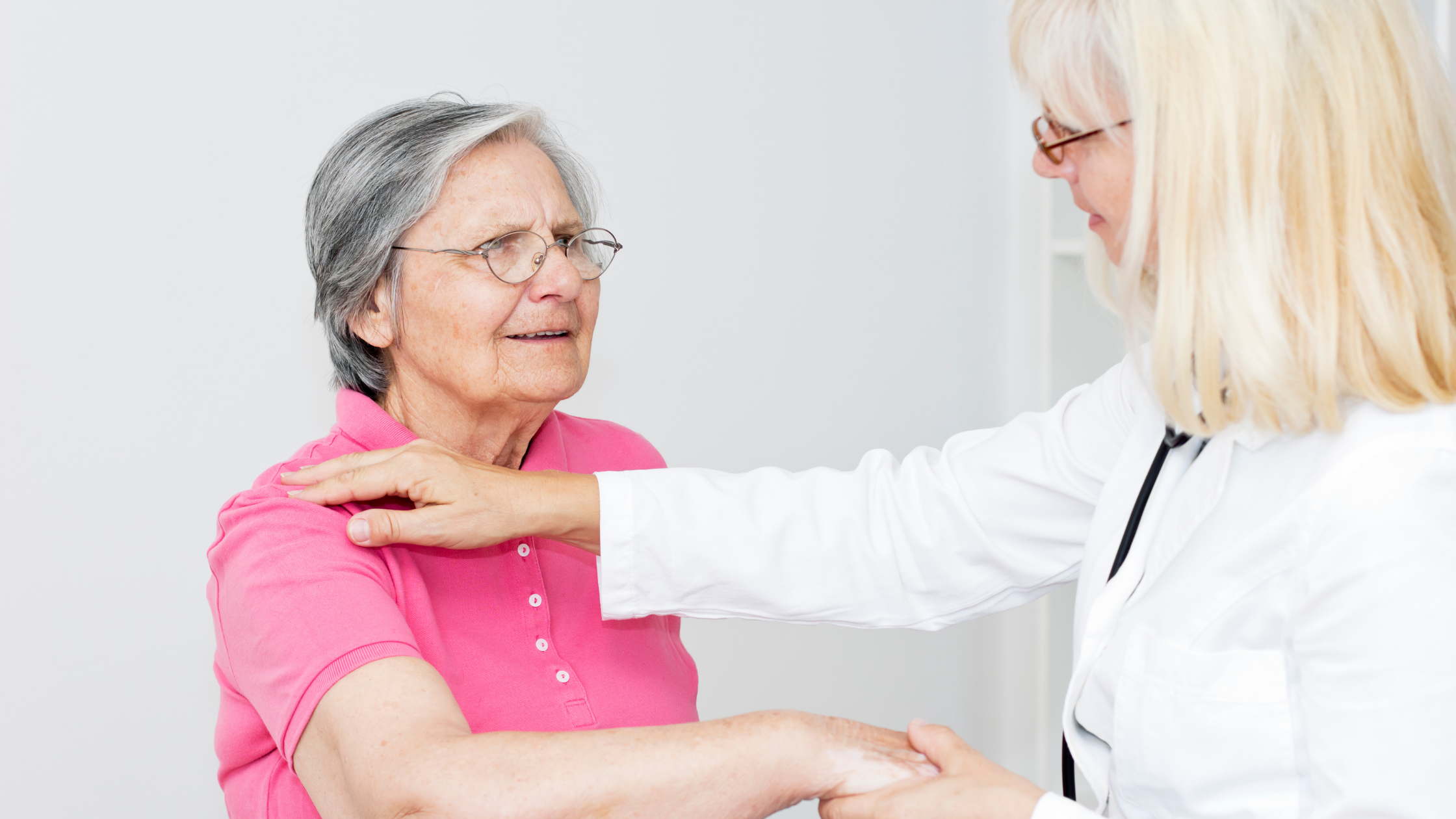
The shoulder joint plays a vital role in nearly everything we do on a daily basis. When you are dealing with shoulder pain, you quickly become aware of how well-used the shoulder joint is for you. Shoulder bursitis is a common condition with symptoms that can range from minor inconvenience to debilitating pain. At Home Advantage Rehabilitation Solutions, we offer various home-based solutions to help patients manage their pain and improve their quality of life. Continue reading to learn more about shoulder bursitis and how you can treat it at home. 

What Is Shoulder Bursitis?

Shoulder bursitis, or impingement syndrome, occurs when there is redness and swelling between the tip of the shoulder and top of the arm bone. The bones, tendons, and muscles near your joints are cushioned by tiny fluid-filled sacs known as bursae. When the bursae become inflamed, bursitis occurs. Shoulder bursitis is most commonly caused by overuse but can be associated with other conditions such as arthritis or tendonitis. Trauma to the shoulder joint can also lead to bursitis. Some of the symptoms of shoulder bursitis may include the following:

  • Restricted range of motion. 
  • Swelling and redness around the joint. 
  • Pain at the tip of your shoulder. 
  • Pain with contact. 

Home Treatment For Bursitis

When the bursa in the shoulder is inflamed, carrying out your usual activities can make the problem worse. While you should limit painful activities, all movement does not need to stop. 

At-home treatments for shoulder bursitis are usually adequate in managing bursitis symptoms and easing pain and inflammation. Here are some home treatments for this condition you can try under the guidance of our team:

  • Rest – Since bursitis is often caused by inflammation, allowing your shoulder to rest can help reduce symptoms. Avoid certain activities that worsen symptoms.
  • Heat and Cold – Applying ice packs at the onset of your pain can provide significant relief. Heat can also be applied to help blood flow in the shoulder while alleviating pain. 
  • Stretches – Once some of your pain and inflammation subsides, shoulder stretches can help increase your range of motion. Our team will show you how to perform low-impact stretches that you can do daily. 
  • Physical Therapy – The best treatments for shoulder bursitis combine home remedies with further intervention when needed. Our physical therapists will work with you to correct any mechanical issues that may have caused your inflammation and implement exercises that strengthen the muscles that support your shoulder while improving your range of motion. This can lower your risk of further injury. 

Contact Our Office

At Home Advantage Rehabilitation Solutions, we provide comprehensive rehabilitation in a home setting. If you are ready to address your shoulder pain, consider contacting us today to schedule your first session!

Treating Osteonecrosis Of The Hip

Bones are living and growing tissue. Like all other tissue in the body, our bones depend on blood vessels to circulate blood to keep them alive. The hip joint only contains a few blood vessels to transport blood, and when there is an interruption of blood flow to the head of the femur, osteonecrosis of the hip can occur. At Home Advantage Rehabilitation Solutions, we provide in-home rehabilitative services to patients dealing with limited mobility or recovering from surgery. Continue reading to learn more about osteonecrosis of the hip. 

What is Osteonecrosis?

Osteonecrosis, or bone death, is an excruciating condition that occurs when the hip bone collapses and the cartilage loses its support. Since the cartilage loses the support of the bone, the joint surface can quickly wear down, and arthritis can progress. Osteonecrosis of the hip has few warning signs. The main complaint is new hip pain and trouble walking. Some other symptoms of this condition can include:

  • Aching groin pain. 
  • Pain when moving the hip. 
  • Trouble walking or limping. 

Treating Hip Osteonecrosis

Osteonecrosis of the hip tends to progress fairly quickly, despite intervention. In the early stages of this condition, anti-inflammatory medications, activity modification, and crutches can be helpful. However, surgery is typically a more successful treatment option. Some of the different surgical procedures used to treat osteonecrosis of the hip may include:

  • Core Decompression.
  • Bone and Cartilage Grafting.
  • Total Hip Replacement.

After undergoing hip surgery, you may require physical therapy to restore strength and mobility to your hip. At Home Advantage Rehabilitation Solutions, we offer in-home physical therapy to help patients achieve optimal functional mobility and comfort levels. Our staff will evaluate your condition following your procedure and establish a comprehensive plan of care focused on relieving your pain, improving your range of motion, strength, and balance. 

Contact Our Team

At Home Advantage Rehabilitation Solutions, our goal is to help patients achieve the highest level of functionality and comfort following an injury or surgical procedure. Osteonecrosis can be a painful condition that significantly affects your ability to get around, and many patients with this condition require surgery. Our team offers in-home rehabilitative services to help patients recover after their procedure. Contact our team to learn more!

Why Choose Physical Therapy in Your Home?

in-home physical therapy servicesPhysical Therapy is such a necessary process when it comes to healing your body correctly. Making sure you can function as close as you were before that injury. At Home Advantage Rehabilitation Solutions can provide you with the best in-home physical therapy services after being discharged from hospitals and rehabilitation facilities, making it easier for those who have a hard time transporting from one place to another. We help our clients overcome physical, emotional, and psychological obstacles resulting from that disease or injury. We want to make sure that our clients allow us to treat them with the respect and empathy they deserve. 

Some reasons in which in-home physical therapy services are needed include: 

  • The condition you have is acute or severe, where leaving your home can present some health risks.
  • Your functional mobility is limited, meaning that you are unable to travel to therapy.
  • You do not have the proper transportation to go from your location to the physical therapy location. 
  • You want a PT session at home. 

You can benefit from in-home physical therapy services when you have difficulty leaving the house, where the PT can come to your home. Some conditions that can require at-home care are: 

  • Total knee/hip replacement surgery 
  • Stroke
  • Parkinson’s disease 
  • Multiple sclerosis
  • Amyotrophic lateral sclerosis (ALS) 
  • Heart Attack 
  • Fractures 

In-home physical therapy services are the same way effective as if you were getting treatment at a physical therapy facility. You do not necessarily need all of the heavy, expensive equipment to have yourself engage in an effective rehab program. In-home physical therapists are trained to utilize the available resources making sure we are maximizing your experience. There is also light and functional equipment to be carried from one location to another, making sure you are getting the most out of your physical therapy needs. 

Physical therapy has so many benefits for recovery after an illness, injury, or surgery. We can help you recover to achieve that full range of mobility back, which will help you do your everyday activities. There are circumstances, as listed above, where you are unable to leave your home to attend physical therapy. If this is the case, then you can benefit from in-home physical therapy. Making sure you are getting the care you deserve and need to improve yourself and regain that full range of mobility back.

Contact Home Advantage Rehabilitation Solutions 

If you are looking for physical therapy but cannot travel from your home to a facility, contact us today, we will make sure we can meet your at-home needs!

©2025 All Rights Reserved