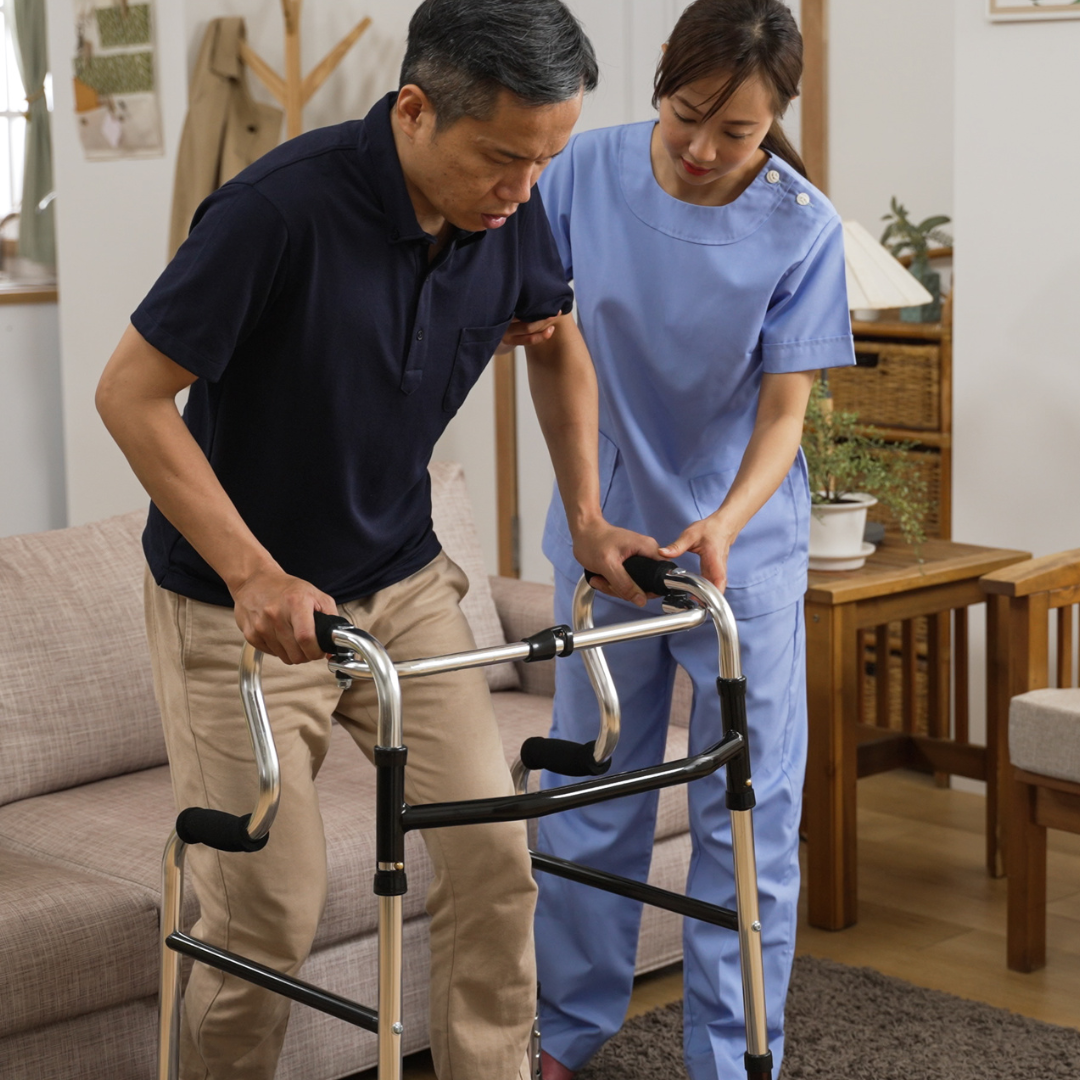
Home Advantage Rehabilitation

Benefits of In-Home Physical Therapy

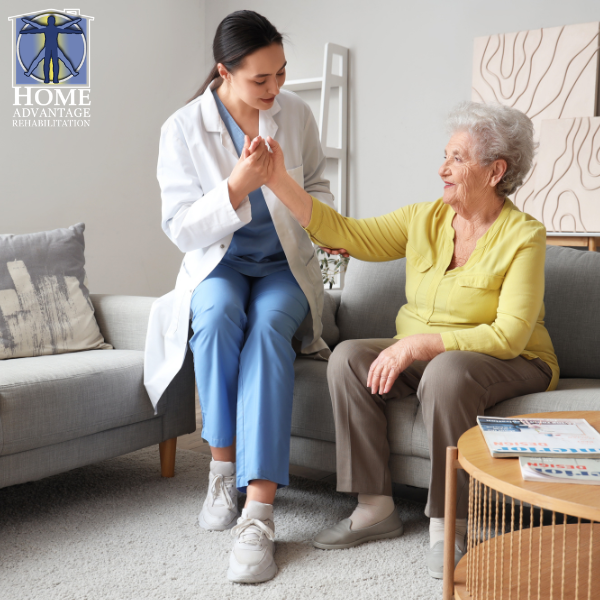
Recovering from an injury, surgery, or chronic condition often requires consistent rehabilitation and professional guidance. For many patients, traveling to an outpatient clinic can be difficult or inconvenient, especially when mobility is limited. In-home physical therapy offers a convenient alternative by bringing professional rehabilitation services directly to your home.

Providers such as Home Advantage Rehabilitation Solutions offer in-home physical and occupational therapy across Long Island, helping patients recover safely and comfortably in their own environment. Below are some of the key benefits of receiving physical therapy at home.


1. Convenience and Comfort

One of the most significant advantages of home physical therapy is convenience. Instead of traveling to a clinic, a licensed therapist visits you at home at scheduled times.

For patients recovering from surgery, experiencing pain, or dealing with limited mobility, avoiding transportation challenges can make a major difference. Therapy sessions occur in a familiar environment, allowing patients to focus fully on the rehabilitation process without the stress of commuting.


2. Personalized, One-on-One Care

In-home therapy allows therapists to provide personalized care tailored to each patient’s specific needs. Because sessions take place in your home, therapists can evaluate how you move through your living space and design exercises that directly support your daily routines.

This individualized attention helps address issues such as:

  • Difficulty navigating stairs

  • Balance concerns around the home

  • Limited range of motion

  • Pain during daily activities

The result is a treatment plan designed specifically for your lifestyle and physical limitations.


3. Improved Safety and Fall Prevention

Many patients receiving physical therapy are at risk of falls due to balance problems, weakness, or recent injuries. In-home therapy allows therapists to identify potential safety hazards in the home environment and recommend modifications.

For example, therapists may suggest:

  • Adjustments to furniture layout

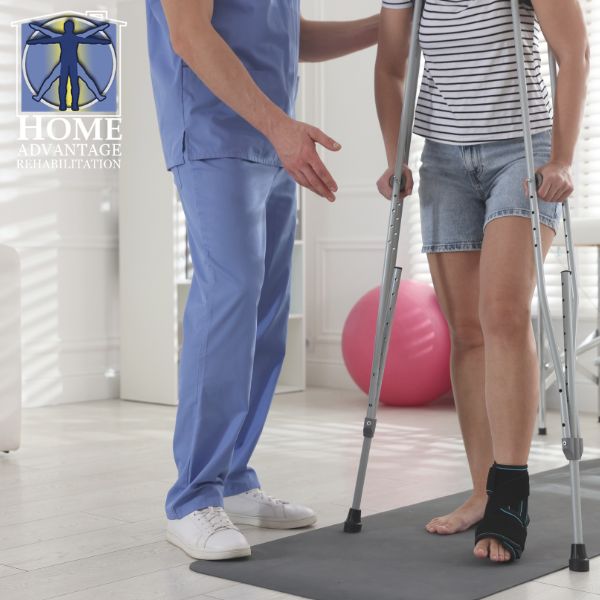
  • Assistive devices for walking

  • Exercises that strengthen balance and coordination

  • Techniques for safer movement around the home

By addressing safety concerns directly in the living space, in-home therapy helps reduce fall risk and promote long-term independence.


4. Support for Daily Activities

Occupational therapy is often combined with physical therapy to help patients regain the skills needed for everyday tasks. Therapists work with patients on activities such as dressing, cooking, bathing, and moving safely throughout the home.

Because therapy takes place where these activities actually occur, therapists can provide practical strategies that make daily tasks easier and safer. This real-world approach often leads to faster improvement in functional mobility and independence.


5. Better Treatment Consistency

When therapy sessions are easy to attend, patients are more likely to stay consistent with their rehabilitation program. In-home therapy removes barriers like travel time, weather concerns, and transportation limitations.

Consistent therapy is essential for improving strength, restoring mobility, and reducing pain. Regular sessions also allow therapists to track progress and adjust treatment plans as needed throughout the recovery process.


6. Faster Recovery and Improved Outcomes

Because in-home therapy focuses on real-life movement and daily activities, many patients experience meaningful improvements in function and independence. Exercises are performed in the same environment where patients live, making it easier to apply therapy techniques throughout the day.

This approach can help patients:

  • Improve mobility and balance

  • Restore range of motion

  • Reduce pain and stiffness

  • Strengthen muscles

  • Return to normal routines more quickly

Ultimately, the goal of rehabilitation is to help patients regain confidence and return to the activities they enjoy.


Is In-Home Physical Therapy Right for You?

In-home physical therapy can be beneficial for individuals recovering from surgery, managing chronic pain, or experiencing mobility limitations. It is also an excellent option for patients who prefer the comfort and privacy of receiving therapy at home.

Residents across Nassau County and Suffolk County have access to professional therapy services delivered directly to their homes. With the right support, patients can regain independence and continue progressing toward their recovery goals.


Learn More About In-Home Physical Therapy on Long Island

If you are interested in learning more about how home-based therapy works, explore the services offered by Home Advantage Rehabilitation Solutions. Their experienced therapists provide personalized physical and occupational therapy on Long Island, helping patients recover safely and comfortably without leaving home.

Preventing Falls and Injuries for Bed-Ridden Patients

When a loved one becomes bed-bound due to illness, surgery, or chronic conditions, safety becomes a top priority. While many people assume falls are less likely for bed-ridden patients, the reality is that injuries can still occur — often during transfers, repositioning, or attempts to move independently.

Understanding how to prevent falls and injuries for bed-ridden patients is essential for protecting their health, comfort, and overall recovery.

Why Fall Prevention Still Matters for Bed-Bound Patients

Even patients who spend most of their time in bed may attempt to:

  • Sit up without assistance

  • Transfer to a wheelchair or commode

  • Reach for items outside their safe range

  • Get up during moments of confusion or disorientation

Without proper support, these movements can lead to serious injuries, including fractures, head trauma, or soft tissue damage.

Additionally, immobility itself can increase the risk of secondary complications such as pressure ulcers, muscle weakness, and circulation issues.

Common Causes of Injuries in Bed-Ridden Patients

Understanding risk factors can help caregivers take preventative action. Common causes include:

  • Muscle weakness or deconditioning

  • Poor balance during assisted transfers

  • Slippery floors or unstable equipment

  • Inadequate supervision

  • Cognitive impairment or confusion

  • Improper bed height or positioning

Addressing these factors proactively can significantly reduce injury risk.

Key Strategies to Prevent Falls and Injuries

1. Use Proper Bed Safety Measures

  • Keep the bed at a safe, low height when not providing care

  • Use bed rails appropriately (following medical guidance)

  • Ensure brakes are locked on hospital beds and wheelchairs

  • Keep frequently used items within easy reach

Safe bed positioning reduces the chance of accidental rolling or unsafe attempts to stand.

2. Implement Safe Transfer Techniques

Many injuries occur during transfers from bed to chair or bathroom. To reduce risk:

  • Use gait belts or transfer boards when recommended

  • Follow proper body mechanics

  • Avoid rushing

  • Ensure clear, obstacle-free pathways

Professional guidance from physical or occupational therapists can teach caregivers safe transfer techniques.

3. Address Muscle Weakness and Mobility

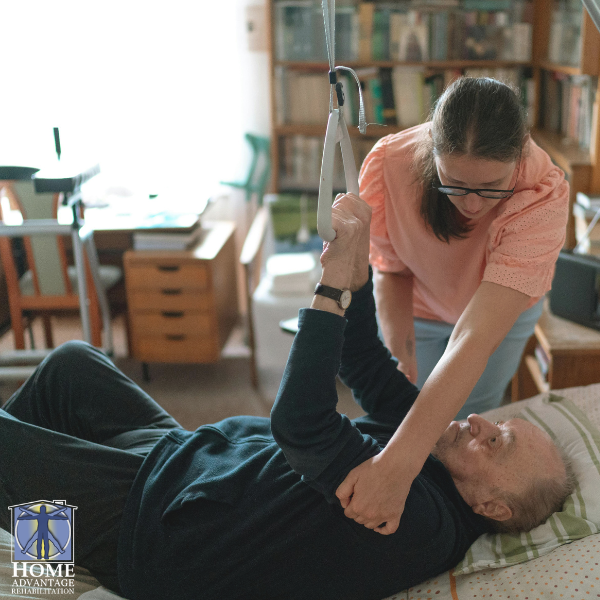
Even bed-bound patients can benefit from guided exercises to maintain strength and circulation. Passive range-of-motion exercises, repositioning schedules, and gentle therapeutic movements help reduce stiffness and improve stability.

Skilled home health therapy can play a critical role in maintaining functional ability and preventing decline.

4. Prevent Pressure Injuries and Skin Breakdown

While not technically falls, pressure injuries are a major risk for bed-ridden individuals. Prevention strategies include:

  • Repositioning every two hours (or as directed)

  • Using pressure-relieving mattresses or cushions

  • Maintaining skin hygiene

  • Monitoring for redness or breakdown

Healthy skin reduces pain, infection risk, and further mobility limitations.

5. Monitor Cognitive Changes

Confusion, medication side effects, or neurological conditions can increase fall risk. Caregivers should:

  • Watch for sudden changes in behavior

  • Ensure adequate lighting

  • Keep the environment calm and predictable

  • Communicate clearly and consistently

Prompt medical attention for sudden confusion can prevent serious incidents.

The Role of Skilled Home Health Care

Professional home health services provide trained clinicians who assess fall risk, implement safety plans, and educate caregivers. Services may include:

  • Skilled nursing oversight

  • Physical therapy to improve strength and balance

  • Occupational therapy for safe transfers and daily activities

  • Ongoing monitoring and adjustments to the care plan

A personalized care approach helps reduce risk while supporting dignity and independence.

Creating a Safer Home Environment

Simple environmental adjustments can make a significant difference:

  • Remove loose rugs and clutter

  • Install grab bars near beds and bathrooms

  • Ensure adequate lighting

  • Keep floors dry and non-slip

Proactive planning creates a safer space for both patients and caregivers.

Supporting Safe Recovery at Home

Preventing falls and injuries for bed-ridden patients requires vigilance, education, and the right support system. With proper precautions and professional guidance, families can reduce risks and provide a safer, more comfortable environment for recovery.

At Home Advantage Rehabilitation Solutions, our team works closely with patients and families to assess fall risks, provide skilled therapy, and develop individualized safety plans tailored to each patient’s needs.

If you’re caring for a bed-bound loved one and want to learn more about injury prevention and home health services, contact Home Advantage Rehabilitation Solutions today.

Who Qualifies For Home Health Care Services?

When a loved one needs medical care but prefers to remain in the comfort of home, many families begin exploring home health care services. One of the most common questions is: Who qualifies for home health care?

Understanding eligibility requirements can help you determine whether this type of care is the right solution for your situation.

What Is Home Health Care?

Home health care provides skilled medical and rehabilitation services delivered directly in a patient’s home. These services are prescribed by a physician and performed by licensed healthcare professionals such as:

  • Registered nurses

  • Physical therapists

  • Occupational therapists

  • Speech-language pathologists

  • Medical social workers

Home health care focuses on recovery, rehabilitation, and medical management — not just personal assistance.

Basic Qualifications for Home Health Care

While eligibility can vary depending on insurance coverage and medical needs, most patients must meet the following criteria:

1. A Physician’s Order Is Required

Home health care must be prescribed by a doctor. The physician confirms that the patient requires skilled services and creates a care plan outlining the necessary treatments.

2. The Patient Requires Skilled Medical Care

To qualify, the patient must need care that can only be provided by licensed professionals. Examples include:

  • Wound care and dressing changes

  • Post-surgical monitoring

  • IV therapy or injections

  • Medication management

  • Physical therapy after injury or surgery

  • Occupational or speech therapy

If care only involves assistance with bathing, dressing, or housekeeping, non-medical home care may be more appropriate.

3. The Patient Is Considered Homebound (In Many Cases)

For Medicare coverage, patients often must be considered “homebound.” This means leaving home requires considerable effort or assistance due to illness or injury.

A patient may qualify as homebound if they:

  • Use a walker, wheelchair, or cane

  • Need assistance from another person to leave home

  • Experience severe pain, weakness, or shortness of breath

  • Have been advised by a doctor to limit outside activity

Being homebound does not mean someone can never leave the house — medical appointments and occasional outings are generally permitted.

Conditions That Often Qualify for Home Health Care

Many medical conditions may make a patient eligible for home health services, including:

  • Recovery after joint replacement or orthopedic surgery

  • Stroke rehabilitation

  • Cardiac conditions

  • Chronic obstructive pulmonary disease (COPD)

  • Diabetes management

  • Neurological disorders

  • Recent hospitalization

  • Mobility limitations due to injury or illness

Home health care helps reduce hospital readmissions, supports safe recovery, and promotes independence.

How Long Can Someone Receive Home Health Care?

Home health care is typically short-term and focused on recovery goals. However, services can continue as long as the patient:

  • Remains under a physician’s care

  • Continues to need skilled services

  • Shows measurable progress or medical necessity

The care plan is regularly reviewed and updated based on the patient’s progress.

Benefits of Qualifying for Home Health Care

For eligible patients, home health care offers:

  • Professional care in a familiar environment

  • Personalized one-on-one attention

  • Reduced exposure to hospital-related risks

  • Greater comfort and convenience

  • Improved independence and quality of life

Receiving rehabilitation and skilled nursing at home can make the recovery process less stressful and more effective.

How to Determine If You or a Loved One Qualifies

The first step is speaking with a physician about your medical needs. If home health care is appropriate, your doctor can provide the necessary referral. A comprehensive assessment will then be completed to design a customized treatment plan.

At Home Advantage Rehabilitation Solutions, our experienced team works closely with physicians and families to ensure patients receive the skilled care they need — safely and comfortably at home.

If you have questions about eligibility or would like to learn more about home health care services, contact Home Advantage Rehabilitation Solutions today to discuss your options.

How Home Health Care Helps Prevent Infections

Infections can pose serious risks, especially for seniors, people with chronic conditions, or those recovering from surgery. Home health care plays a crucial role in preventing infections by maintaining a clean environment, supporting proper hygiene, and closely monitoring health. With trained professionals providing personalized care, patients can stay safer and healthier in the comfort of their own homes.

Maintaining Personal Hygiene

Proper hygiene is one of the most important ways to prevent infections. Home health aides assist with:

  • Bathing and grooming: Regular assistance with bathing, oral care, and hair care reduces the risk of skin infections.

  • Hand hygiene: Helping patients maintain clean hands, especially before meals or after using the restroom, limits the spread of germs.

  • Dressing and wound care: Ensuring clothing and dressings are clean and changed regularly to avoid infections.

Clean and Safe Home Environment


A sanitized environment lowers the chance of infection. Home health care professionals help by:

  • Disinfecting frequently touched surfaces like countertops, doorknobs, and medical equipment.

  • Properly disposing of medical waste and soiled materials.

  • Reducing clutter that can harbor bacteria and pose health risks.

Medication Management and Health Monitoring


Home health aides support patients in following care plans accurately:

  • Administering medications on time to prevent complications from infections.

  • Monitoring for early signs of infection such as fever, redness, or swelling, and promptly reporting changes to healthcare providers.

  • Assisting with medical devices, such as catheters, with proper hygiene to prevent infection.

Education and Support for Patients and Families


Knowledge is key to prevention. Home health professionals educate patients and families on:

  • Proper handwashing, wound care, and hygiene practices.

  • Recognizing early symptoms of infections.

  • Safe food handling and dietary practices to reduce contamination risk.

Home health care provides more than comfort—it protects patients from infections by combining hygiene, monitoring, and education. At Home Advantage Rehabilitation Solutions, our trained home health aides ensure a safe, clean environment and offer compassionate care to keep patients healthy at home.

Protect your loved ones from preventable infections with professional home health care. Contact Home Advantage Rehabilitation Solutions today to learn how our services can help.

How Home Health Aides Help Bed-Ridden Patients With Daily Activities

Caring for a bed-ridden loved one can be challenging, both physically and emotionally. Home health aides play a vital role in ensuring patients receive compassionate, professional support for their daily needs. From personal care to emotional support, these trained caregivers help improve quality of life while maintaining dignity and comfort.

Supporting Daily Living Needs

Bed-ridden patients often struggle with tasks that many of us take for granted, such as bathing, dressing, and grooming. Home health aides assist with:

  • Personal hygiene: Helping with bathing, oral care, and hair care to prevent infections and maintain comfort.

  • Dressing and grooming: Ensuring patients are appropriately clothed and groomed, which supports mental and emotional well-being.

  • Mobility support: Assisting with repositioning in bed, transferring to a wheelchair, or gentle range-of-motion exercises to prevent bedsores and stiffness.

Meal Preparation and Nutrition


Proper nutrition is essential for healing and maintaining strength. Home health aides can:

  • Prepare balanced meals according to dietary needs or physician recommendations.

  • Assist with feeding if patients are unable to eat independently.

  • Monitor hydration and dietary intake to prevent malnutrition or dehydration.

Medication and Health Monitoring


Home health aides help ensure patients stay on track with their medical routines by:

  • Reminding patients to take medications on time.

  • Observing any changes in health and reporting concerns to nurses or family members.

  • Assisting with basic medical tasks, such as checking vitals, if trained to do so.

Emotional Support and Companionship


Being bedridden can be isolating and emotionally challenging. Home health aides provide:

  • Friendly conversation and companionship to reduce feelings of loneliness.

  • Encouragement to stay engaged in hobbies, reading, or light activities as appropriate.

  • Emotional reassurance, helping both patients and families feel supported.

Home health aides are more than caregivers—they are essential partners in ensuring bed-ridden patients maintain dignity, comfort, and a better quality of life. At Home Advantage Rehabilitation Solutions, our skilled aides provide compassionate, personalized care that meets the physical and emotional needs of patients and their families.

If you or a loved one need assistance with daily care at home, contact Home Advantage Rehabilitation Solutions today to learn how our professional home health aides can help.


Physical Therapy Home Visits

What Are Physical Therapy Home Visits? – Home Advantage Rehabilitation

Physical Therapy itself is a healthcare profession concerned with the rehabilitation of impairments and disabilities incurred as a result of disease or injury. PT’s take a thorough history and provide a physical examination to diagnose and establish a plan of care focused on the alleviation of pain, improvement of range of motion, strength, balance, and endurance to achieve the optimum level of comfort and functional mobility. In home physical therapy for seniors is often requested by geriatric patients who are unable to leave their place of living, but still have a medical ailment that needs therapeutic treatment.

So How Does This Apply To Home Care?

At Home Advantage Rehabilitation Solutions, our therapists are equipped with most of the same tools that are used in the clinic itself. This includes some of the following: portable bikes, upper extremity ergometers, steppers, hydrocollator and cold packs, electric stimulators, ultrasound units, weights, resistance bands, balance boards, and vestibular discs.


Reducing Chronic Knee Pain Through Exercise with HARS

Are you suffering from chronic knee pain that’s been bothering you for weeks or even months? It’s time to take control of your health and well-being. Fortunately, you don’t have to endure the pain and discomfort any longer. With the help of Home Advantage Rehabilitation Solutions, you can alleviate chronic knee pain through tailored exercise regimens. Our Physical Therapy Home Visits provide the perfect solution for those who prefer the comfort and convenience of receiving care in the comfort of their own homes.
The Challenge of Chronic Knee Pain

Chronic knee pain is a common problem that affects millions of people worldwide. Whether it’s due to osteoarthritis, a sports injury, or other medical conditions, the discomfort can be debilitating and significantly impact your daily life. Many individuals struggling with chronic knee pain find it difficult to perform routine tasks, such as climbing stairs, walking, or even standing for extended periods. This is where Home Advantage Rehabilitation Solutions comes in, offering specialized care that can make a world of difference.

Physical Therapy Home Visits: Convenience at Your Doorstep

Home Advantage Rehabilitation Solutions takes pride in providing Physical Therapy Home Visits, which offer unmatched convenience and personalized care. When it comes to managing chronic knee pain, we understand that the right exercises can make a significant difference in your journey to recovery. Our expert physical therapists will come to your home, ensuring you receive therapy sessions in a familiar and comfortable environment. This unique approach allows us to tailor your treatment plan to your specific needs, taking into account your home environment, daily routines, and personal goals.

Personalized Exercise Plans for Chronic Knee Pain

The key to reducing chronic knee pain through exercise lies in personalized treatment plans. At Home Advantage Rehabilitation Solutions, we start with a thorough assessment of your condition, medical history, and mobility. We then work with you to set achievable goals and create a customized exercise regimen that will address your specific needs. Our experienced physical therapists will guide you through exercises designed to strengthen the muscles around your knee, improve flexibility, and reduce pain.

We understand that no two individuals are alike, and that’s why our Physical Therapy Home Visits are so effective. You’re not receiving a one-size-fits-all treatment; you’re getting a tailored plan that focuses on your unique circumstances. Our physical therapists will be there to monitor your progress, make adjustments as needed, and provide you with the knowledge and tools to manage your chronic knee pain effectively.

The Benefits of In-Home Physical Therapy
  1. Comfort and Convenience: The biggest advantage of our Physical Therapy Home Visits is that you can receive therapy without leaving the comfort of your own home. No need to worry about commuting or finding a parking spot at a clinic.
  2. Personalized Care: In-home physical therapy allows us to better understand your living environment and customize your exercise routine accordingly. This tailored approach ensures faster and more effective results.
  3. Enhanced Compliance: Being in a familiar setting encourages consistency in your exercises. When your physical therapist visits you at home, you’re more likely to stick to your treatment plan, resulting in better outcomes.
  4. Reduced Stress: The relaxed and familiar atmosphere of your home can reduce the stress and anxiety often associated with clinic visits. This can promote a more positive mindset and facilitate your recovery.
  5. Safety and Mobility: If your chronic knee pain makes it challenging to move around, in-home physical therapy is an excellent option. Our therapists will address your mobility issues and help you regain your independence.

Home Advantage Rehabilitation Solutions is committed to delivering top-quality in-home physical therapy services, and our Physical Therapy Home Visits are a testament to that commitment. We understand the unique needs of individuals suffering from chronic knee pain, and our therapists are here to guide you every step of the way.

Taking the First Step Towards Relief

If you’re ready to take the first step toward reducing your chronic knee pain, Home Advantage Rehabilitation Solutions is here for you. Don’t let discomfort and immobility hold you back any longer. Our Physical Therapy Home Visits are designed to make the process as seamless as possible, offering you the support and expertise you need to achieve a pain-free life.

With our highly trained and compassionate physical therapists, you can regain your mobility, reduce pain, and improve your overall quality of life. Say goodbye to the limitations that chronic knee pain imposes and welcome the freedom of movement once more.

To learn more about how Physical Therapy Home Visits can help reduce chronic knee pain through personalized exercise plans, contact Home Advantage Rehabilitation Solutions today. We’re here to help you on your path to recovery and a more active, pain-free life.


Alleviating Vertigo with At-Home Treatment – Physical Therapy Home Visits

Vertigo, a condition characterized by dizziness and a spinning sensation, can be disruptive and disorienting. If you or a loved one is grappling with vertigo, you’ll be pleased to know that you can find relief through at-home treatment options. Home Advantage Rehabilitation Solutions offers Physical Therapy Home Visits, an excellent approach to help you manage and alleviate vertigo in the comfort of your own home.

Understanding Vertigo and Its Impact

Vertigo is often caused by issues within the inner ear, affecting your balance and spatial orientation. This condition can make simple tasks, such as walking or even turning your head, a daunting challenge. The sudden and unexpected sensation of spinning or swaying can lead to falls and accidents, significantly reducing your quality of life.

Physical Therapy Home Visits for Vertigo

Physical Therapy Home Visits provided by Home Advantage Rehabilitation Solutions offer a solution to help individuals with vertigo regain their balance, reduce dizziness, and enhance their overall well-being. Here’s how it works:

1. Comprehensive Assessment: Our skilled physical therapists will begin by conducting a thorough evaluation to determine the root cause of your vertigo. This assessment will help us understand your specific condition and needs.

2. Tailored Treatment Plan: Based on the assessment, our experts will develop a personalized treatment plan that includes exercises and maneuvers designed to alleviate vertigo symptoms. These exercises are carefully chosen to improve your balance and help your body adapt to changes in position.

3. Hands-On Guidance: Our physical therapists will guide you through each exercise, ensuring you perform them correctly and safely. They’ll also monitor your progress to make any necessary adjustments to your treatment plan.

4. Home Environment: One of the advantages of our at-home treatment is that it’s conducted in your familiar living space. This personalized approach allows us to address any specific challenges or triggers in your home environment that may be contributing to your vertigo.

5. Consistency and Compliance: With Physical Therapy Home Visits, you’re more likely to stick to your treatment plan. Consistency is key to reducing vertigo symptoms, and our experts will motivate and support you throughout your journey.
The Benefits of At-Home Vertigo Treatment

  1. Comfort and Convenience: By receiving treatment in your own home, you can enjoy the comfort and convenience of your familiar surroundings.
  2. Personalized Care: Your treatment plan is tailored to your unique needs and home environment, ensuring it’s as effective as possible.
  3. Enhanced Compliance: Being in a comfortable setting encourages consistency in your exercises, leading to better results.
  4. Safety and Balance: Addressing vertigo through at-home treatment can help improve your balance and reduce the risk of falls.
  5. Stress Reduction: Eliminating the need to commute to a clinic reduces the stress and anxiety associated with medical appointments.

If you’re tired of the spinning sensation and want to regain control of your life, Physical Therapy Home Visits from Home Advantage Rehabilitation Solutions can provide the help you need. We offer a compassionate and professional approach to managing vertigo, allowing you to enjoy a higher quality of life.

Don’t let vertigo limit your activities or affect your daily life. Contact Home Advantage Rehabilitation Solutions today to learn more about our at-home treatment options and start your journey toward relief. Our experienced physical therapists are here to guide you every step of the way.


Want To Learn More? Find Out How We Can Help:


    Common At-Home PT Routines

    At-home physical therapy sessions can be a great way to stay fit and healthy. With just a few pieces of equipment and some basic knowledge, you can perform effective workouts from the comfort of your own home. Here are some everyday at-home PT routines that you can try so you can stop googling ” in-home physical therapy services near me.”:


    Stretching Exercises: Stretching exercises are an essential part of any fitness routine, and they help improve flexibility while reducing muscle tension. You can start by stretching your arms over your head, do side stretches, and finish with calf raises or toe-touching exercises.


    Core Strengthening Exercises: These exercises target the major muscles in the abdominal area to help strengthen your core and protect against injury. Some practical core exercises include planks, mountain climbers, and crunches.


    Cardio Exercises: To get your heart rate up and keep it up for a sustained time, you can do cardio exercises such as jogging in place, jumping rope, or burpees. This will help to improve endurance and stamina.


    Strength Training Exercises: Building muscle requires working with weights or resistance bands to push your body beyond its comfort level to get stronger. Exercises like squats, lunges, bicep curls, tricep dips, and shoulder presses are great ways to build strength at home.


    By incorporating these familiar at-home PT routines into your fitness program, you can stay fit and healthy without leaving the house! With just a few pieces of equipment and some basic knowledge, you can easily create an effective workout plan that suits your needs. Contact Home Advantage Rehabilitation Solutions for more in-home physical therapy services near me. 


    Why Choose Home Advantage Rehabilitation Solutions?


    Home Advantage Rehabilitation Solutions provides comprehensive physical therapy services with experienced professionals who understand your needs. We provide personalized and tailored care to each of our clients, so you can rest assured that you’re getting the best treatment available. Our team is dedicated to helping you reach your goals and managing pain or discomfort. Contact us today to learn more about how we can help you perfect in-home physical therapy services near me.


    Necessary Equipment for At-Home PT Routines


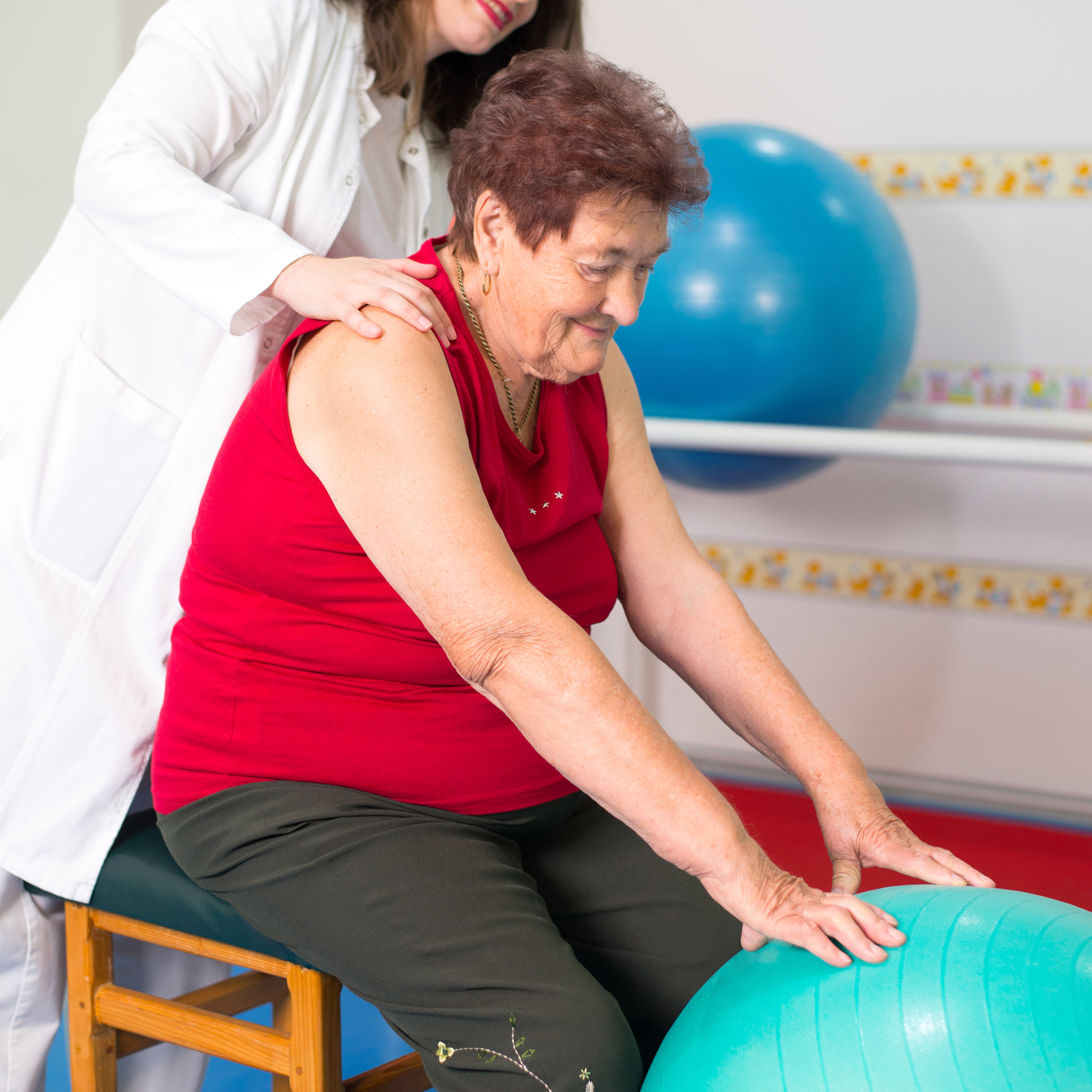
    When performing at-home physical therapy routines, it’s crucial to have the right equipment to perform the exercises safely and effectively. Some essential items for these routines include resistance bands, a foam roller, a stability ball, and weights. Additionally, access to a gym mat or towel can make some exercises more comfortable. Contact HARS if you have been googling ” in-home physical therapy services near me.” We are eager to help you! 

    Are There Any Benefits of Doing PT Every Day?

    Many people need clarification on how often they need to see their physical therapist and perform home exercises. At Home Advantage Rehabilitation Solutions, we offer personalized physical therapy programs designed to help our patients achieve maximum function and rehabilitation. If you are curious about how often you should be doing physical therapy, continue reading to discover more. 


    Are There Benefits Of Doing Physical Therapy Every Day?

    Physical therapy is the healing process that involves the use of therapeutic exercises to target an injured or impaired area and promote healing and rehabilitation. Some of the benefits of doing physical therapy exercises include the following:

    • Improved Flexibility – Physical therapy exercises help stretch and strengthen muscles, tendons, and ligaments, leading to improved flexibility. Increased flexibility allows for a greater range of motion.
    • Improved Strength – Strengthening weak muscles helps them become stronger and more resistant to injury. Stronger muscles also help protect the joints and improve balance, agility, and coordination, which can reduce the risk of falls.
    • Pain Reduction – Physical therapy exercises can help to reduce your pain symptoms by releasing endorphins, which are natural painkillers in the body. Exercises focusing on strength and flexibility can also help increase blood flow to the area, which can help reduce swelling and inflammation.
    • Improved Mobility – Physical therapy exercises can help increase your range of motion and improve your ability to perform daily activities more easily. This means you may be able to move around more freely with less pain or discomfort.
    • Improved Quality of Life – Regular physical therapy exercises can help reduce pain and improve your overall quality of life. Improved mobility, strength, flexibility, and balance can help you do the activities that you enjoy most with greater ease.

    There are many benefits to doing physical therapy exercises every day. Doing so can help improve flexibility, strength, and mobility, and reduce pain while helping to increase your quality of life. However, you should never push yourself through pain to get your workout in. Our experts will help you determine how often you should be doing your exercises to ensure the best possible outcome for your treatment. 


    Contact Us

    If you have suffered an injury or impairment, consult with our experts at Home Advantage Rehabilitation Solutions about the best exercise plan for your individual needs. With a proper and consistent exercise program, you can reap the benefits of physical therapy and get back to living a healthy, active, and independent lifestyle! Be sure to contact us today to learn more and request an appointment! 


    7 Indoor Exercises For Seniors To Enjoy In Winter

    Winter weather is finally upon us, and the changing temperatures can leave many older adults feeling cooped up indoors and make it challenging to keep up with a health and fitness routine. Home Advantage Rehabilitation Solutions is here to ensure you or your loved one can stay healthy and active all winter long! Continue reading to discover some exercises that seniors can enjoy during the winter. 


    Indoor Exercises for Seniors During Winter

    The winter season can be difficult for older adults to maintain their fitness routines. The hustle and bustle of the holidays can be distracting, and shorter days and cold weather can make it challenging to find the motivation to exercise. One of the best ways for seniors to feel healthy, positive, and energized during the cold winter is to engage in physical activity. Home Advantage Rehabilitation Solutions provides customized in-home therapy solutions to help you find innovative ways to stay active. 


    Here are some indoor exercises that can help you or your loved ones stay active this winter:


    • Walking – Walking is one of the most effective exercises for people of all ages. Walking is an excellent way for older adults to stay mobile and active. If the weather is too cold outside, try walking around the house or walking around a mall or gym to get some exercise. 
    • Household Chores – Housework can offer more benefits than organization. You can turn your daily chores into a great workout and stay active. 
    • Strength Training – Strength training is a great way to keep active and mobile over time. You can practice strength training with light hand weights, resistance weights, or bodyweight during the colder months. Our experts will evaluate your condition and fitness levels to determine the best strengthening program for your goals! 
    • Balance Exercises – Falls are the most dangerous health hazard for older adults. Improving your balance is a great way to minimize your risk of suffering a fall. Our experts can show you exercises to fortify your balance and improve your overall strength. 


    Contact Us

    Don’t let the chilly winter weather keep you from achieving your health and fitness goals. At Home Advantage Rehabilitation Solutions, our expert in-home physical therapists can help you find the best indoor exercises to ensure you stay healthy and active all year round! Be sure to contact us today to learn more and request an appointment.

    How At Home PT Can Help

    physical therapy at home

    At-home physical therapy is an effective complementary option to traditional clinic-based care. It can be used alongside other treatments, such as medication and surgery, or it can also be the main form of treatment. At-home physical therapy involves providing patients with exercises, stretches, and activities they can do in their homes. These activities are tailored to the individual’s needs and abilities to improve overall health and well-being. Home Advantage Rehabilitation Solutions offers terrific plans for at-home exercises. If you are considering physical therapy at home, visit our website today! 


    Benefits 

    At-home physical therapy has several advantages over traditional clinic-based care. It is often more convenient for patients who cannot attend a physical therapy clinic regularly due to work or family commitments. Physical therapy at home also allows patients to focus on specific areas of their body, allowing them to tailor the exercises to their own needs. Additionally, at-home physical therapy is often more cost-effective than traditional clinic-based care since there are no travel expenses and fewer visits required. Contact Home Advantage Rehabilitation Solutions to learn more about physical therapy. 


    Physical Therapy at Home


    -Strength Training Exercises – These exercises are designed to help build muscle strength and endurance. Examples include resistance bands, weights, and even bodyweight exercises like push-ups and squats.


    -Stretching Exercises – Stretching can help improve flexibility, reduce pain, and prevent injuries. Examples of stretching exercises include yoga, Pilates, and dynamic stretches.


    -Balance Exercises – Balance exercises help improve coordination and reduce the risk of falls. Examples of balance exercises include standing on one foot or walking heel to toe.


    How Difficult Is At-Home Physical Therapy

    At-home physical therapy can be as complicated or easy as you make it. The exercises and activities will be tailored to your individual needs and abilities, so the difficulty level is up to you. If you are new to at-home physical therapy, it can help to start slow and build up the intensity of your exercises over time. Home Advantage Rehabilitation Solutions can help you regain strength, balance, and stamina. Call us today at 516-459-9439.


    Why Us? 

    At-Home Physical Therapy has a team of experienced physical therapists who specialize in providing at-home physical therapy. We take the time to understand your needs and create personalized treatment plans to help you reach your goals. Our services are affordable, convenient, and effective – so you can get the care you need without leaving the comfort of your home! Contact our office today if you would like to learn more about physical therapy at home.

    ©2025 All Rights Reserved